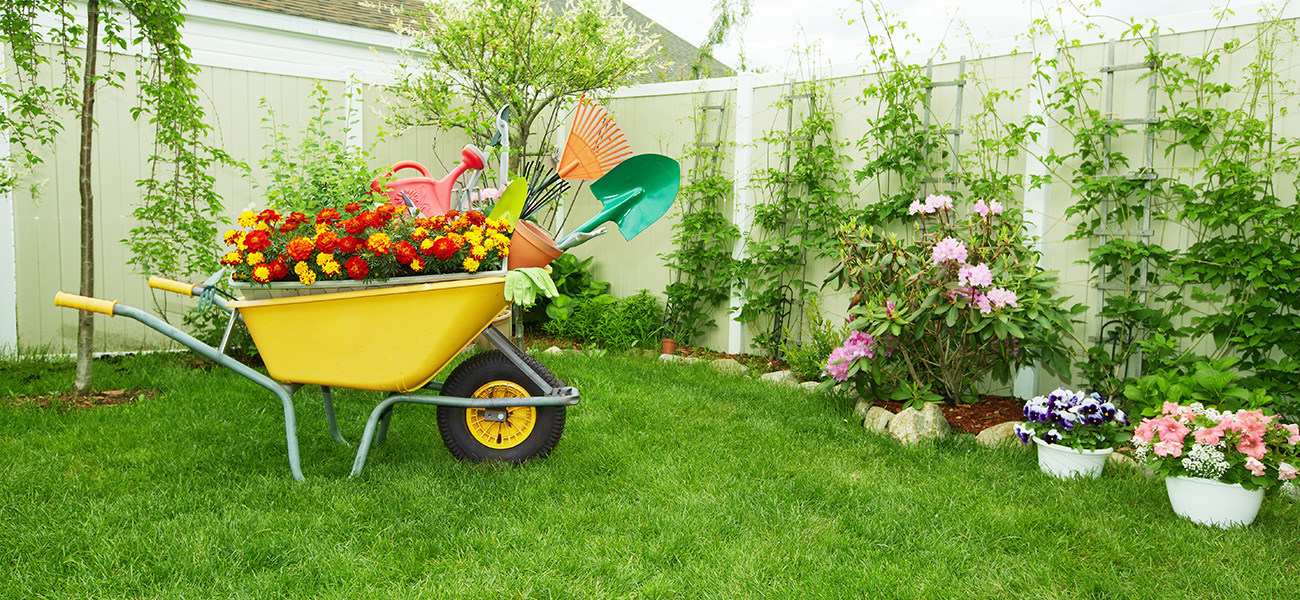


Acton Park front garden makeover case study by gardeners
Posted on 27/10/2026
If you have ever looked at a tired front garden and thought, "this place could be so much better," you are in the right place. This Acton Park front garden makeover case study by gardeners explores how a small outdoor space can be turned into something cleaner, more welcoming, and much easier to live with day to day. Front gardens do a lot of quiet work: they frame the home, soften hard edges, help with privacy, and set the tone before anyone even reaches the front door. In a busy London setting, that matters more than people often realise.
What makes this kind of project interesting is not just the finished look. It is the thinking behind it. A front garden has to cope with foot traffic, weather, shade, drainage quirks, and the simple fact that most homeowners do not want to spend every weekend maintaining it. So a good makeover is part design, part problem-solving, and part restraint. Less fuss, more impact.
Below, you will find a practical breakdown of the approach, the benefits, the common mistakes to avoid, and a real-world style example of how gardeners might tackle an Acton Park front garden transformation without overcomplicating things. If you are planning your own project, this should give you a solid starting point. And maybe a few ideas you had not considered yet.
Why Acton Park front garden makeover case study by gardeners Matters
A front garden is not the same as a back garden. People see it every day. Neighbours see it. Visitors see it. Delivery drivers see it. That means small design decisions have a big visual effect, for better or worse. A messy or overgrown frontage can make a property feel neglected, even if the inside is immaculate. On the other hand, a well-planned front garden can give a home a calmer, tidier, more intentional look almost immediately.
In areas like Acton Park, where homes often balance character with modern living, the challenge is usually to create something smart without making it feel overly formal. You want structure, but not stiffness. You want interest, but not clutter. That balance is why case studies are useful: they show how real choices come together rather than simply listing ideas in the abstract.
From a practical point of view, this kind of makeover also matters because front gardens often suffer from the same recurring issues: compacted soil, weeds, patchy lawn, awkward access, weather exposure, and planting that has outgrown its space. A good gardener does not just "tidy it up." They assess the space, work out what is causing the problem, and then shape the garden around how it will actually be used. That is a different mindset entirely.
If you have read about why regular weeding keeps a garden healthier or looked into ground cover plants for low-maintenance borders, you will already know how small choices can make a huge difference over time. Front gardens are often won or lost in those small choices. Truth be told, that is where the real work usually is.
How Acton Park front garden makeover case study by gardeners Works
A front garden makeover is usually handled in a sequence rather than as one big burst of activity. That is good news, because it makes the project less overwhelming and easier to control. In most cases, the process starts with a site assessment. A gardener looks at light levels, soil condition, drainage, existing hard landscaping, access points, boundaries, and the style of the property. That first look often reveals more than people expect. A sloping path, a hidden patch of ivy, or a border that gets no sun can shape the whole plan.
Next comes the practical cleanup. This can include clearing weeds, cutting back overgrown shrubs, removing dead material, and dealing with any problem plants that are taking over. Sometimes the hidden work is what changes the space the most. If ivy has crept into fences or masonry, for example, it may need careful removal rather than a quick hack. There is a reason experienced gardeners treat that stage with respect.
After clearing, the space is rethought. This is where the makeover becomes visible. The design might include new edging, fresh soil, a redesigned border, a low-maintenance planting scheme, or improved lawn care. In some cases, hard landscaping needs attention too, especially if the front garden includes a path, a small patio area, or steps. If that is the case, the work may sit alongside local landscaping support or practical surface cleaning through patio cleaning services.
Finally, the garden is finished and made ready for ongoing care. That last part matters. A front garden makeover should not be a one-off cosmetic fix that falls apart in three months. It should be designed with maintenance in mind, whether that means seasonal pruning, simple lawn care, or periodic hedge shaping. If you have ever tried to maintain a front garden that was designed with no thought for upkeep, you already know how quickly the mess comes back. It is a bit unfair, really. But gardens do not care about our best intentions.
Key Benefits and Practical Advantages
The strongest front garden makeovers do more than look good. They solve practical problems and make everyday life easier. That is especially important for homeowners who want a polished exterior without becoming slaves to maintenance. Here are the main benefits people usually notice.
- Better kerb appeal: a neat, balanced frontage makes the whole property feel more cared for.
- Less ongoing maintenance: by choosing the right plants and layout, you can reduce the amount of constant trimming, watering, and weeding.
- Clearer structure: paths, borders, and focal points help the space feel ordered rather than random.
- Improved privacy and screening: in the right setting, hedges or climbers can create a softer sense of enclosure.
- More resilient planting: well-chosen species are usually better at handling local weather swings and urban conditions.
- Safer access: tidy edges, clear steps, and better surface management can reduce trip hazards.
There is also a quieter benefit that people often mention after the work is done: the house simply feels calmer from the street. That sounds subjective, but it is real. A front garden that has been carefully redesigned tends to remove visual noise. You stop noticing the mess. You start noticing the shape, the texture, the space. It changes the mood of the whole entrance.
For homes where privacy is a concern, a structured planting approach can be especially helpful. A well-chosen hedge from rapid-growth hedge ideas for screening may work beautifully near a boundary, while evergreen climbers for shaded corners can soften walls and fences without taking up much ground space. Those options are not just decorative. They are practical, and in a compact front garden, practicality is everything.
Who This Is For and When It Makes Sense
This type of project is ideal for homeowners who want their front garden to feel presentable, usable, and easier to maintain. That might sound obvious, but the reasons people call in gardeners are often more specific than "it looks a bit untidy."
You might need a front garden makeover if:
- the entrance looks tired or overgrown;
- weeds keep returning despite your best efforts;
- the lawn is thin, patchy, or not worth keeping as lawn;
- plants have outgrown the space and block windows or pathways;
- the garden needs privacy without feeling enclosed;
- you want a lower-maintenance scheme that still looks neat;
- the frontage does not suit the house style anymore;
- you are preparing a property for sale or rental.
It also makes sense if you are dealing with practical constraints. For example, some front gardens are very shallow, others are heavily shaded, and some are exposed to wind or winter damage. In those situations, the wrong planting choice can become a long-term headache. That is where a more considered plan helps. The right design works with the site rather than fighting it.
Families with pets or children sometimes need a front garden that feels safer and simpler too. If that is part of your situation, ideas from pet-friendly garden planning and safe garden design for children can be surprisingly relevant, even for a small frontage. The same goes for people aiming for a cleaner, low-fuss look inspired by low-maintenance garden ideas. Sometimes the best makeover is the one you barely have to think about later.
Step-by-Step Guidance
Below is a practical way to think about a front garden transformation. Not every project will follow this exact order, but the sequence is a useful model.
- Assess what is already working. Keep anything healthy and useful where possible. A mature shrub, for example, may be worth shaping rather than removing.
- Clear the clutter. Remove dead growth, unwanted self-seeded plants, broken pots, damaged edging, and anything that visually overwhelms the space.
- Deal with weeds properly. Surface pulling helps, but recurring weeds need a more thorough approach. If this stage is rushed, the whole garden looks tired again very quickly.
- Sort the structure. Define borders, straightens edges, and decide where the eye should go first. In a front garden, structure matters as much as planting.
- Choose the right planting palette. Pick species based on light, soil, exposure, and the level of maintenance you can realistically sustain.
- Improve soil and mulching. Better soil and a sensible mulch layer help retain moisture and suppress weeds. A simple step, but a powerful one.
- Refine hard surfaces. Clean paths, reset edging if needed, and make sure the approach to the property feels safe and tidy.
- Add finishing details. This might be a small feature plant, a clean line of containers, or a neat evergreen frame near the entrance.
- Plan maintenance from day one. A makeover is only successful if it still looks good after the first few months.
A very common mistake is to begin with planting before solving the base issues. That usually leads to disappointment. If the soil is poor or the weeds are out of control, new plants do not stand much chance. You can dress it up, sure, but the bones need attention first.
If a front garden includes steps, retaining edges, or a difficult boundary, a broader service plan may be needed. In some cases, gardeners may work alongside fencing specialists or support longer-term upkeep through ongoing garden maintenance. That wider view often makes the whole project more stable.
Expert Tips for Better Results
Experienced gardeners tend to focus on a few principles that give the best return for effort. These are not flashy ideas, but they work.
- Use repetition carefully. Repeating the same plant in a few key spots creates calm and cohesion.
- Choose fewer, better plants. A small number of reliable species usually looks better than a crowded mix.
- Think in layers. Low edging, mid-height planting, and one taller feature can make even a tiny front garden feel designed.
- Prioritise year-round structure. In the UK, a front garden should still look purposeful in February, not only in June.
- Keep paths visually open. The entrance should feel welcoming, not hidden behind foliage.
- Match the planting to exposure. Windy, shaded, or sunny sites all need different plant choices.
One thing we always come back to is how the garden looks from inside the house as well as from the street. That viewpoint often gets forgotten. Stand by the hall window for a minute and look out. What do you see first? A cluttered border, or a neat composition? That quick check can change the whole design direction.
For tricky spots, vertical interest can be a smart move. A wall, arch, or fence line can carry a lot of the visual weight without taking up valuable ground space. If that sounds useful, vertical gardening ideas can help you think about height in a more practical way. Likewise, if your boundary feels flat and bare, artistic hedge trimming approaches can add definition without turning the front garden into a topiary theme park. Which, let's be honest, is not what most people want.
Common Mistakes to Avoid
Most disappointing front garden makeovers fail for fairly predictable reasons. The good news is that they are avoidable once you know what to look for.
- Overplanting: too many plants in a small space can make the garden feel cramped and cluttered.
- Ignoring maintenance: if a design needs constant attention, it may not be practical for real life.
- Poor weed control: weeds left in place will keep competing with new planting.
- Choosing the wrong shrubs: fast growth is useful, but only if the plant suits the site.
- Forgetting drainage: wet, compacted, or uneven ground can undermine even a good design.
- Blocking access: paths and gates must stay functional. Looks matter, but not at the expense of use.
- Making everything too uniform: symmetry can work, but too much of it can look rigid and lifeless.
There is also a tendency to underestimate seasonal change. A front garden that looks beautiful in spring may feel sparse or messy in winter if the design leans too heavily on short-lived colour. That is why evergreen structure, hard edges, and sensible spacing matter so much.
And just to say it plainly: if a corner is shaded and miserable, do not force sun-lovers into it. It sounds obvious, yet people do it all the time. Then they wonder why the plants sulk. Plants are very good at sulking, by the way.
Tools, Resources and Recommendations
You do not need a van full of specialist gear to improve a front garden, but the right tools make the work cleaner and safer. A good team will typically rely on hand tools for precision, and then use heavier kit only where it genuinely adds value.
- Hand trowels and border forks for planting and soil work;
- Secateurs and loppers for trimming and deadheading;
- Edging tools to create a sharp border line;
- Rakes and brooms for clearing debris and finishing surfaces;
- Wheelbarrows and bags for moving waste efficiently;
- Mulching materials to protect soil and reduce weed growth;
- Seasonal plant choices suited to the site, rather than trendy but fragile options.
If you want a stronger starting point, it helps to understand basic maintenance habits before a makeover begins. Resources like essential gardening tools every green thumb needs and beginner gardening tips can be useful if you are new to caring for your own plot. If you are already comfortable with planting but want better ground management, weed control guidance is worth a look too.
For gardens producing a lot of green waste, composting and soil improvement can make a big difference over time. Using organic material wisely reduces waste and improves the planting bed, which is one of those behind-the-scenes wins that you only fully appreciate later on. A front garden makeover is often at its best when the surface looks effortless, but the system underneath has been thoughtfully built.
Law, Compliance, Standards and Best Practice
Front garden work in the UK does not usually involve complex regulation, but there are still sensible standards to keep in mind. Safety, waste handling, neighbourly access, and property boundaries all matter. If work involves removing trees, cutting back large overhanging branches, or dealing with structural boundaries, professional judgement becomes more important. In that setting, it is wise to treat tree work, fence work, and any potentially hazardous clearance with care rather than rushing through it.
Good practice also means respecting existing property lines and avoiding assumptions about ownership. If a hedge or tree sits near a boundary, it may need a more cautious approach than a casual cut. Likewise, if the area is slippery, uneven, or awkward to access, the work should be planned with safety in mind. That is where proper insurance and a sensible health and safety approach are not just paperwork, but a real sign of professionalism. You do not want shortcuts where ladders, branches, or heavy debris are involved. Simple as that.
Homeowners should also consider accessibility. A front garden is often part of a daily route to the house, so surfaces and edges should remain clear and practical. If a makeover makes the entrance prettier but less usable, it has missed the point. Best practice keeps appearance and function in balance.
For maintenance and recurring work, some homeowners prefer a regular service relationship rather than one-off intervention. That is where a structured approach through gardening services in Acton or more focused lawn care support can help keep standards consistent over time.
Options, Methods, and Comparison Table
There are several ways to approach a front garden makeover, and the best one depends on budget, time, and how much change you actually want. Some clients want a light refresh. Others want a full redesign. Both can be valid.
| Approach | Best for | Pros | Limitations |
|---|---|---|---|
| Light tidy and reshape | Gardens with decent structure already in place | Quick, cost-conscious, minimal disruption | May not solve deeper drainage or layout issues |
| Planting refresh | Spaces that look tired but have good bones | Big visual lift, improved seasonality | Still relies on the existing hardscape |
| Full makeover | Overgrown, awkward, or outdated front gardens | Best long-term transformation, more control over layout | More time, more planning, often higher cost |
| Maintenance-led improvement | Homeowners who want steady progress | Low stress, easy to manage, good for ongoing care | Changes happen gradually rather than all at once |
If you are not sure which route to take, ask yourself a simple question: what is the real problem here? Is it the planting, the layout, the maintenance burden, or the tired surfaces? Once that is clear, the right method usually follows. People sometimes think they need a full redesign when they really need better borders and a hard prune. Other times it is the opposite. The point is to diagnose first, then spend.
For visual inspiration around seating, shelter, and outside zones, you can also borrow ideas from seating area ideas and, where shade or enclosure is needed, serenity-inspired garden ideas. Those concepts are not always front-garden specific, but they can influence mood and layout in useful ways.
Case Study or Real-World Example
Here is a realistic example of how an Acton Park front garden makeover might unfold in practice.
The starting point is a narrow front garden with a small lawn, a weedy border, a tired shrub that has outgrown the window line, and a path that feels visually lost. Nothing is broken, exactly, but the garden gives the impression of being forgotten. The homeowner wants something tidy and welcoming without needing a lot of weekend upkeep.
The first visit focuses on assessment and clearance. The gardeners remove weeds, cut back excess growth, and identify which plants can be kept. The lawn is thin enough that it is not worth preserving as a dominant feature, so the plan shifts away from trying to rescue it at all costs. That is often a smart call. Not every patch of grass deserves a heroic comeback story.
Next comes structure. The border is narrowed, edged cleanly, and planted with a small number of reliable, low-maintenance plants. A compact evergreen backbone provides year-round shape, while a couple of seasonal plants add softness near the entrance. The path is cleaned and visually redefined so the route to the door feels intentional again. In a case like this, the visual lift comes from clarity, not excess.
Then the finishing touches go in: improved soil, a fresh mulch layer, and careful pruning around the boundary so the frontage does not feel hemmed in. The final look is brighter, more open, and easier to maintain. The front of the house suddenly feels looked after. Not flashy. Just right.
If the property also has nearby trees or awkward boundaries, additional services such as tree surgery or hedge trimming may be part of the wider plan. And if the homeowner wants the outside to remain tidy through the seasons, a practical schedule built around lawn mowing and routine care can keep the whole frontage sharp without much drama.
Practical Checklist
Use this checklist before you start any front garden makeover. It keeps the project grounded.
- Confirm what the main problem is: weeds, layout, planting, surfaces, or all of the above.
- Check light, shade, and wind exposure across the front garden.
- Decide which plants are worth keeping and which should be removed.
- Inspect paths, edges, steps, and any potential trip hazards.
- Choose a style that suits the property rather than copying a trend.
- Keep maintenance in mind from the very beginning.
- Leave room for seasonal growth so the garden does not become crowded.
- Use mulch or other ground cover methods where suitable.
- Plan how waste will be removed and where it will go.
- Think about how the garden looks from the street and from inside the house.
Expert summary: the best front garden makeovers are usually the ones that look simple at the end because they were carefully planned at the start. Clear structure, sensible plant choice, and ongoing upkeep matter more than dramatic features. If you get those right, the whole space starts working for you instead of against you.
Conclusion
An Acton Park front garden makeover is really about making the entrance to a home work better in every sense. Yes, it improves appearance. But it also improves daily life, reduces maintenance stress, and gives the property a more settled feel. That combination is why these projects are so satisfying when they are done well.
The main lesson from this kind of case study is straightforward: do not chase the biggest change first. Start with the foundations. Remove what no longer helps, define the space properly, then add planting and detail in a way that suits the house and the people living there. A front garden does not need to be big to feel generous. It just needs to be thought through.
If your own frontage feels like it has drifted into "one day I'll sort that out" territory, there is nothing wrong with starting small. Clean edges. Better planting. Fewer weeds. A clearer path. Those small wins add up fast. And once they do, the whole house feels a bit more yours again.
Get a free quote today and see how much you can save.

With a reputation as an expert gardener, Alison assumes the role of a proficient writer, assisting thousands of customers in their gardening endeavors. Her focus spans various topics related to gardening and landscaping.