

Transforming a Neglected Garden: Your Starting Point
Posted on 16/09/2025
Transforming a Neglected Garden: Your Starting Point
Is your garden looking more like a forgotten wilderness than a blooming oasis? If transforming a neglected garden into a vibrant, welcoming space is on your to-do list, you're in the right place. Whether you've inherited an overgrown jungle or fallen behind on garden care, there's hope! In this comprehensive guide, we'll walk you through everything you need to know to revive your neglected plot and turn it into a sanctuary you'll love.
Why Do Gardens Become Neglected?
Over time, even the most loved gardens can fall prey to neglect. Life gets busy, priorities change, or perhaps you've just moved into a property where the outdoor space has been ignored for years. Neglected gardens often display wild weeds, unkempt grass, dying plants, and possibly even rubbish or old furniture. These factors not only detract from your home's beauty but can also affect biodiversity and local ecosystems.
- Busy lifestyle: Lack of time for regular maintenance.
- New Home: Inherited a backyard that's seen better days.
- Health Issues: Difficulty managing physically demanding tasks.
- Unclear Vision: Overwhelmed by where to start.

Assessing the Current State of Your Overgrown Garden
Before you jump in, *take time to assess your garden*. This step sets the foundation for your transformation journey. Walk through your garden with a notepad and camera. Document:
- Which areas are most overgrown or damaged?
- What plants (if any) are surviving or thriving?
- Are there any structures (sheds, fences, pathways) that need attention?
- Is there evidence of pests, diseases, or hazardous debris?
- Does sunlight hit certain spots more than others?
Why assessment matters: By evaluating the current condition, you'll avoid unnecessary work, save money, and make informed decisions on design and planting.
Setting Realistic Goals for Garden Transformation
A complete garden restoration can be daunting, so it's essential to set realistic, measurable goals. Decide what you want for your outdoor space:
- Do you dream of a lush flower garden, a space for vegetables, or a family relaxation hub?
- How much time can you regularly dedicate to ongoing maintenance?
- Is your focus on low-maintenance landscaping or high-impact beauty?
Tip: Start small. Tackle one section at a time and celebrate little victories along the way!
Sample Goal Ideas
- Clear all weeds and debris within one month.
- Reclaim the patio area for outdoor dining.
- Install raised beds for easy-access vegetable gardening.
- Plant a wildlife-friendly corner with native flowers.
Essential Tools and Equipment for Garden Revival
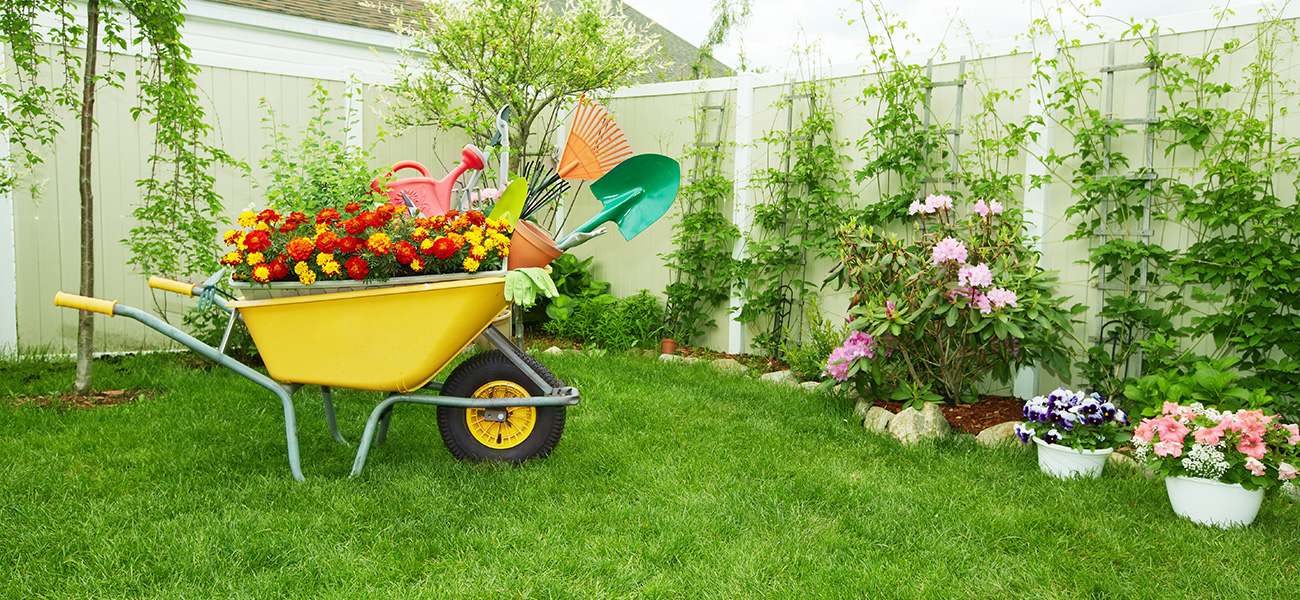
Upgrading a neglected backyard requires basic equipment. Having the right tools saves time and prevents injury. Depending on the severity of neglect, consider adding the following to your arsenal:
- Heavy-duty gloves - for tackling prickly plants and debris
- Secateurs and loppers - for trimming shrubs and small branches
- Pruning saw - for thicker branches
- Spade and fork - for digging and loosening compacted soil
- Sturdy rake - for gathering debris and leaves
- Weed puller or hoe - to extract stubborn weeds and roots
- Wheelbarrow - for easy transportation of green waste
- Compost bins or bags - to manage organic waste effectively
- Lawnmower or strimmer - for taming wild grass
- Garden waste bags - for non-compostable waste
Prepare your tools in advance to avoid delays and stay motivated.
Preparing for Cleanup: Safety First!
Transforming an overgrown garden can be physically demanding and potentially hazardous. Keep these safety tips in mind:
- Wear robust gloves and long-sleeved clothing to protect against thorns, sharp branches, and irritant plants.
- Check for hidden hazards like old wires, glass, or animal nests before lifting or digging.
- Lift heavy objects properly to avoid back injury.
- Be cautious when using powered tools - goggles and ear guards are highly recommended!
Remember: If the garden is severely overgrown or contains hazards like Japanese knotweed, consult professionals for removal.
Step-By-Step: Your Garden Restoration Journey
Step 1: Remove Debris and Declutter
Start by clearing out trash, old pots, broken furniture, and any non-organic materials. Compost healthy plant clippings when possible. Not only does decluttering immediately improve the space, but it also enhances safety and allows you to see the garden's framework.
Step 2: Tackle the Weeds
Weeds are often the most persistent challenge when restoring a neglected garden. Use a combination of hand-pulling and hoeing to remove weeds, making sure to extract roots whenever possible to prevent regrowth. For large areas, smother weeds with cardboard topped with mulch for a chemical-free solution.
Step 3: Cut Back Overgrown Plants
Assess if existing trees, shrubs, or climbing plants are healthy. Prune back dead or wayward branches, and remove any that are unsalvageable. This encourages healthier growth and lets light reach other areas. Sometimes, a hard prune might shock a plant initially, but many will rebound with vigor.
Step 4: Revitalize the Soil
Neglected plots often suffer compacted, depleted soils. Use a fork to loosen soil, incorporate organic compost or well-rotted manure, and test for pH if you plan specific plantings. *Healthy soil is the secret to a thriving garden!*
Step 5: Repair and Define Structures
Mend broken fences, gates, or patios. Re-edging beds or paths gives a crisp, tidy effect and sets the stage for further improvements.
Step 6: Plan the Layout
With the basics in place, begin sketching out your ideal garden design. Note sun and shade areas, prevailing winds, and spots where you want focal points like seating, water features, or wildlife zones.
Choosing Plants for Your Revitalized Garden
Low-Maintenance Plant Selection
When it comes to revamping a neglected outdoor space, plant choice is crucial. If your schedule is tight, opt for hardy, low-maintenance species.
- Perennials: Such as geraniums, daylilies, and lavender.
- Groundcovers: Like creeping thyme and sedum to suppress weeds.
- Evergreen shrubs: Such as boxwood, holly, and laurel for year-round structure.
- Native plants: Typically require less water, attract pollinators, and withstand local pests.
Tip: Group plants by water and sun needs to simplify care.
Reviving Lawns and Grassy Areas
A patchy, overgrown lawn can drag down your garden's appearance. For small-scale neglect, mow high and rake out moss or weeds, overseeding if necessary. If lawn is beyond repair, consider alternatives:
- Install wildflower meadows for color and wildlife.
- Lay new turf or seed patches for quick results.
- Swap grass for gravel or paved pathways where low maintenance is a must.
Designing for Function and Beauty
Key Features to Consider
- Seating Areas: A well-placed bench or patio can transform a plot into an outdoor retreat.
- Wildlife Habitats: Bird feeders, bee hotels, and log piles enhance biodiversity.
- Pathways: Gravel, wood chips, or stepping stones are practical and attractive.
- Water Features: Small ponds or fountains bring tranquility and attract wildlife.
*Good design balances practicality with personal taste.* Take inspiration from magazines, local parks, or Pinterest boards.
Garden Care After Restoration
A transformed garden still needs love to maintain its beauty. Establish a regular care schedule:
- Weekly tasks: Watering, mowing, and deadheading flowers.
- Monthly tasks: Pruning, weeding, and feeding soil with compost or fertilizer.
- Seasonal tasks: Mulching in spring, leaf clearing in autumn, and plant protection before winter.
Tip: Keep a *gardening journal* or set digital calendar reminders for key activities!

Common Challenges and How to Overcome Them
- Persistent Weeds: Get ahead with mulch, weed barriers, or by introducing groundcovers.
- Poor Soil Quality: Add organic matter regularly--even neglected soil can be revived.
- Limited Budget: Swap plants with neighbors, propagate cuttings, or hunt for bargains at plant sales.
- Lack of Time: Prioritize high-impact areas first and gradually expand your efforts.
Final Thoughts: Start Small, Dream Big
Transforming a neglected garden is an exciting and deeply rewarding journey. Even the most forlorn outdoor spaces can be brought back to life with patience, creativity, and regular effort. By following the steps above, you'll lay the foundation for a garden that reflects your personality, supports wildlife, and serves as a haven for you and your family. Remember, you don't need to do everything at once--celebrate each milestone and enjoy watching your sanctuary flourish.
Ready to Begin Transforming Your Neglected Garden?
The first step is the most important. Start your restoration process today and transform your backyard into the outdoor paradise you deserve. Your neglected garden's transformation starts right now!
- Assess your space
- Set achievable goals
- Gather your tools
- Embrace the journey
Share your garden transformation stories and tips in the comments below. Together, we can inspire a revival of neglected gardens everywhere!
Latest Posts
Designing a Magical and Safe Garden Space for Your Kids
Transform Your Garden With These Inspiring Seating Area Ideas
Transforming a Neglected Garden: Your Starting Point

With a reputation as an expert gardener, Alison assumes the role of a proficient writer, assisting thousands of customers in their gardening endeavors. Her focus spans various topics related to gardening and landscaping.